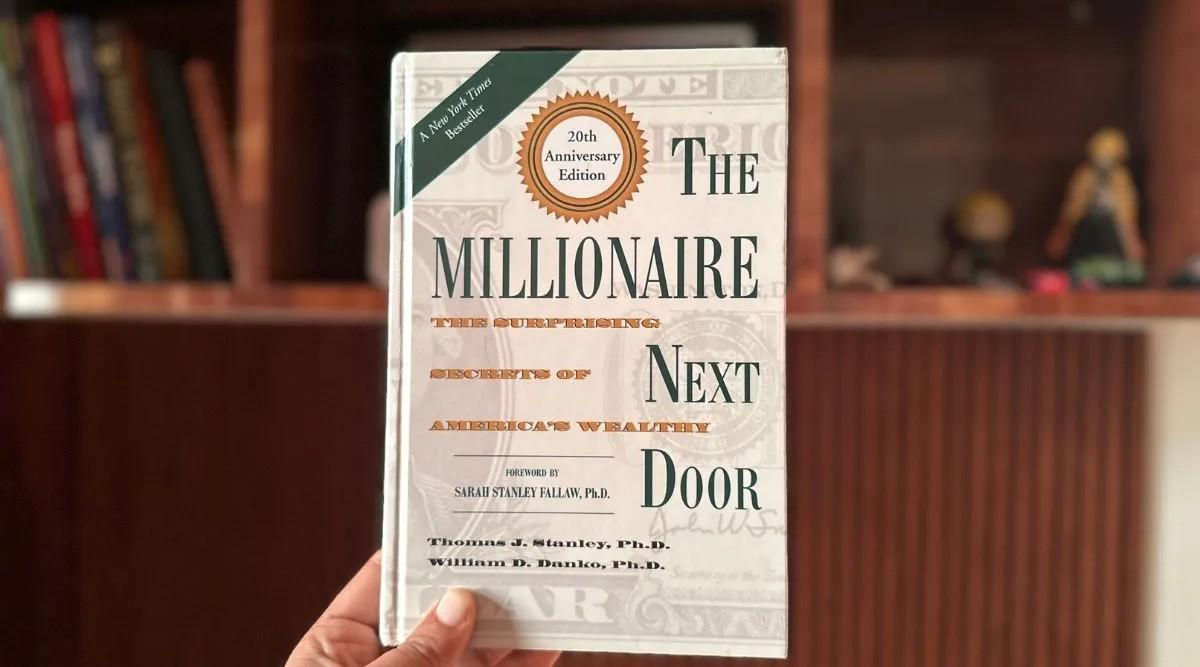
The Millionaire Next Door
Your neighbor driving a Probox might own three rental units in Ruaka. That guy in a BMW in Kilimani? He might be surviving on Fuliza and M-Shwari.
This isn’t theory. It’s Nairobi. It’s Mombasa. It’s Kampala. It’s Dar es Salaam and many other major cities/towns.
When Thomas J. Stanley and William D. Danko studied millionaires in America, they expected luxury.
They found the opposite.
Ordinary people. Quiet lives. Serious wealth.
They called them “The Millionaire Next Door.”
The Real Divide: PAW vs UAW
Stanley and Danko split people into two groups:
PAW — Prodigious Accumulator of Wealth
(These are the real millionaires)
Meet Grace, Kisumu:
-
Retired teacher earning KSh 80,000 pension
-
Owns rental units in Milimani
-
Net worth: ~KSh 12M
-
Drives a 2008 Fielder (cash)
-
No debt
Grace didn’t “blow.” She built.
Meet Joseph, Thika:
-
Runs a low-key hardware shop
-
Makes ~KSh 2M/month revenue
-
Lives on ~KSh 150K
-
Reinvests everything else
You’d walk past his shop and never know.
UAW — Under Accumulator of Wealth
(High income, low wealth)
Meet Brian, Nairobi:
-
Salary: KSh 350K
-
Car loan: BMW
-
Rent: Kilimani
-
Debt: Everywhere
Looks rich.
Is broke.
The truth?
In Kenya, discipline beats income. Every time.
Why This Model Works PERFECTLY in Africa
1. SACCOs Are Our “Wall Street”
In the U.S., they use index funds.
In Kenya? SACCOs.
Grace didn’t go to a bank. She:
-
Saved consistently
-
Borrowed against her shares
-
Built rental property
Now she earns passive income monthly.
That system? It’s powerful—and underrated.
2. Land Is the Ultimate Cheat Code
That “far” plot in Ruiru in 2010?
KSh 500K → KSh 8M+
The quietly wealthy didn’t chase luxury.
They bought:
-
Pathways of growth
-
Future towns
-
Upcoming estates
They waited. They won.
3. Small Businesses = Big Wealth
In Africa, wealth doesn’t need venture capital.
It looks like:
-
A mama mboga scaling to supply hotels
-
A tuk tuk owner building a fleet
-
A hardware shop turning into a supply chain
-
A matatu owner expanding into logistics
No noise. Just cash flow.
The 7 Habits of Kenya’s Quietly Wealthy
1. They Live Below Their Means (By A Lot)
If they earn KSh 300K, They live like it’s KSh 100K.
The rest builds assets.
2. They Learn Money Outside School
Not in classrooms—but in:
-
SACCO meetings
-
Chamas
-
Family businesses
-
Real-life mistakes
They understand money practically—not academically.
3. They Choose Freedom Over Flash
A car loan is not status. It’s pressure.
The quietly wealthy ask:
“Can I survive without stress if income stops?”
4. They Avoid Dependency Disguised as Help
Too much “help” creates weak financial habits.
The strongest builders:
-
Started small
-
Learned discipline
-
Built resilience
5. They Train Their Kids Differently
Their children:
-
Work during holidays
-
Understand money early
-
Earn before spending
They raise builders—not consumers.
6. They Invest in “Boring” Things
While others chase:
-
Crypto hype
-
Forex dreams
-
“Quick money”
They build:
-
Rentals
-
Agribusiness
-
Logistics
-
Schools
-
Clinics
7. They Build Multiple Income Streams
Typical quietly wealthy Kenyan has:
-
Main income (job/business)
-
Rental income
-
SACCO dividends
-
Side hustle
No single point of failure.
What They Actually Look Like
Forget Instagram.
Real wealth in Kenya looks like:
-
A modest home (fully paid)
-
1–3 rental units
-
An ex japan or locally used car
-
Multiple income streams
-
Minimal debt
They don’t look rich.
They are rich.
The “Big Hat, No Cattle” Problem
You’ve seen them:
-
German car, no savings
-
Expensive apartment, no assets
-
Lifestyle funded by loans
It’s performance.
And it’s dangerous.
Because one job loss = collapse.
5 Practical Lessons for Kenyans
1. Start With Your SACCO
Before upgrading your lifestyle:
-
Max your contributions
-
Build borrowing power
-
Let dividends compound
2. Buy Location, Not Luxury
Future demand beats current comfort.
3. Your Car Is Killing Your Wealth
That “dream car” could cost you millions in lost investments.
Drive what works.
4. Build Income Streams Early
Don’t wait for crisis.
Start now:
-
A small side hustle
-
A plot
-
A rental unit
5. Teach the Next Generation Properly
Don’t raise consumers.
Raise creators.
The Question That Changes Everything
“If my income stopped today… how long would I survive?”
-
0–1 months → danger
-
1–3 months → unstable
-
3–6 months → improving
-
6+ months → freedom
The Bottom Line
The Kenyan millionaire next door:
-
Saves first
-
Invests quietly
-
Avoids unnecessary debt
-
Plays the long game
They don’t chase attention.
They build security.
Your Move
You don’t need a bigger salary.
You need:
-
A higher savings rate
-
Consistent investing (SACCO, land, business)
-
Patience
-
Discipline
Because in Kenya and generally Africa…
Wealth isn’t what you show.
It’s what you survive with when everything stops.
Inspired by The Millionaire Next Door by Thomas J. Stanley and William D. Danko, applied to the African reality.
3 Comments
This is one of the most honest breakdowns of wealth I’ve seen, especially in an African context. Too many people are chasing the appearance of success instead of the structure of wealth. The reality you’ve highlighted is powerful: discipline, patience, and smart allocation beat high income and flashy lifestyles every time.
The SACCO point really stands out—many overlook it, yet it’s one of the most practical wealth-building tools we have locally. Same with land and small businesses… not exciting, but incredibly effective. The “big hat, no cattle” line hits hard because it’s everywhere. Bottom line: real wealth is quiet, resilient, and built over time—not financed for display.
Absolutely this is the mindset shift most people need. We’ve been conditioned to measure success by what’s visible, yet true wealth is built in what’s invisible: discipline, consistency, and long-term thinking. The hardest part is ignoring the noise and staying committed when others seem to be “ahead” through lifestyle.
Leave a Comment
Your comment will appear after moderation.